Custom Software Development Services That Transform Your Business Efficiency and Innovation

Cerme
CEO & Software Architect
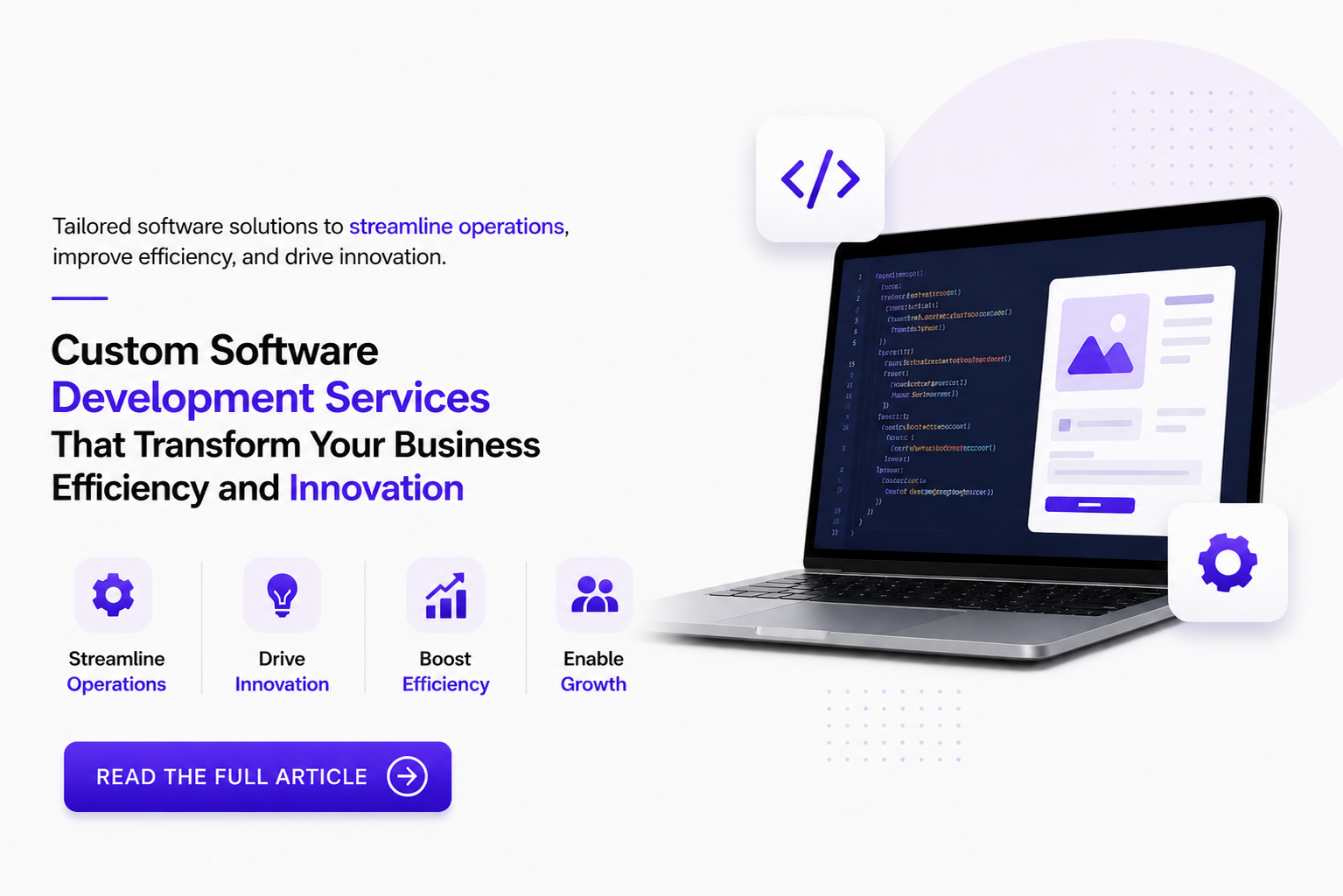
In an era where digital transformation is paramount, custom software development services play a crucial role in enhancing business operations. These tailored solutions are designed to meet specific organizational needs, enabling companies to streamline processes, improve efficiency, and foster innovation.
As businesses face unique challenges, the demand for bespoke application development has surged, allowing organizations to leverage technology for competitive advantage. This article will explore the various aspects of custom software development, including its role in business transformation, the software development lifecycle, and the benefits of custom software integration.
What Are Custom Software Development Services and Their Role in Business Transformation?
Custom software development services refer to the creation of software applications tailored to meet the specific requirements of a business. These services are essential for business transformation as they enable organizations to adapt to changing market demands and improve operational efficiency.
By leveraging bespoke solutions, companies can automate processes, enhance customer experiences, and gain valuable insights through data analytics. The impact of custom software development is profound, as it not only addresses immediate business needs but also positions organizations for long-term growth and innovation.
Further research highlights how custom solutions can integrate seamlessly with existing systems, allowing for a smoother transition during digital transformation initiatives. This integration capability is crucial for businesses looking to modernize their operations without disrupting ongoing processes.
Looking for Custom Software Solutions?
At JCerme Software Solutions, we specialize in building tailored applications that drive business growth and operational efficiency.
Understanding the Software Development Lifecycle: From Planning to Deployment
The software development lifecycle (SDLC) is a structured approach to software creation that encompasses several phases, including planning, design, development, testing, and deployment. Understanding this lifecycle is vital for businesses seeking custom solutions, as it ensures that the final product aligns with their goals.
Key phases include:
- Planning: Defining project scope, objectives, and resource allocation
- Design: Creating architecture and user interface mockups
- Development: Writing code and building the application
- Testing: Quality assurance to identify and fix bugs
- Deployment: Launching the software for end-users
- Maintenance: Ongoing support and updates
During the planning phase, stakeholders identify the project's scope and objectives, while the design phase focuses on creating user-friendly interfaces. Development involves coding, followed by rigorous testing to identify and rectify any issues. Finally, deployment marks the launch of the software, which is often accompanied by ongoing maintenance and support.
A well-defined SDLC not only enhances collaboration among team members but also minimizes risks and ensures timely delivery. Our web development team follows industry best practices to deliver high-quality software solutions.
Benefits of Custom Software Integration for Enterprises
Custom software integration offers numerous benefits for enterprises, including improved data accuracy, streamlined workflows, and enhanced communication across departments. By integrating custom solutions with existing systems, businesses can eliminate data silos and foster a more collaborative environment.
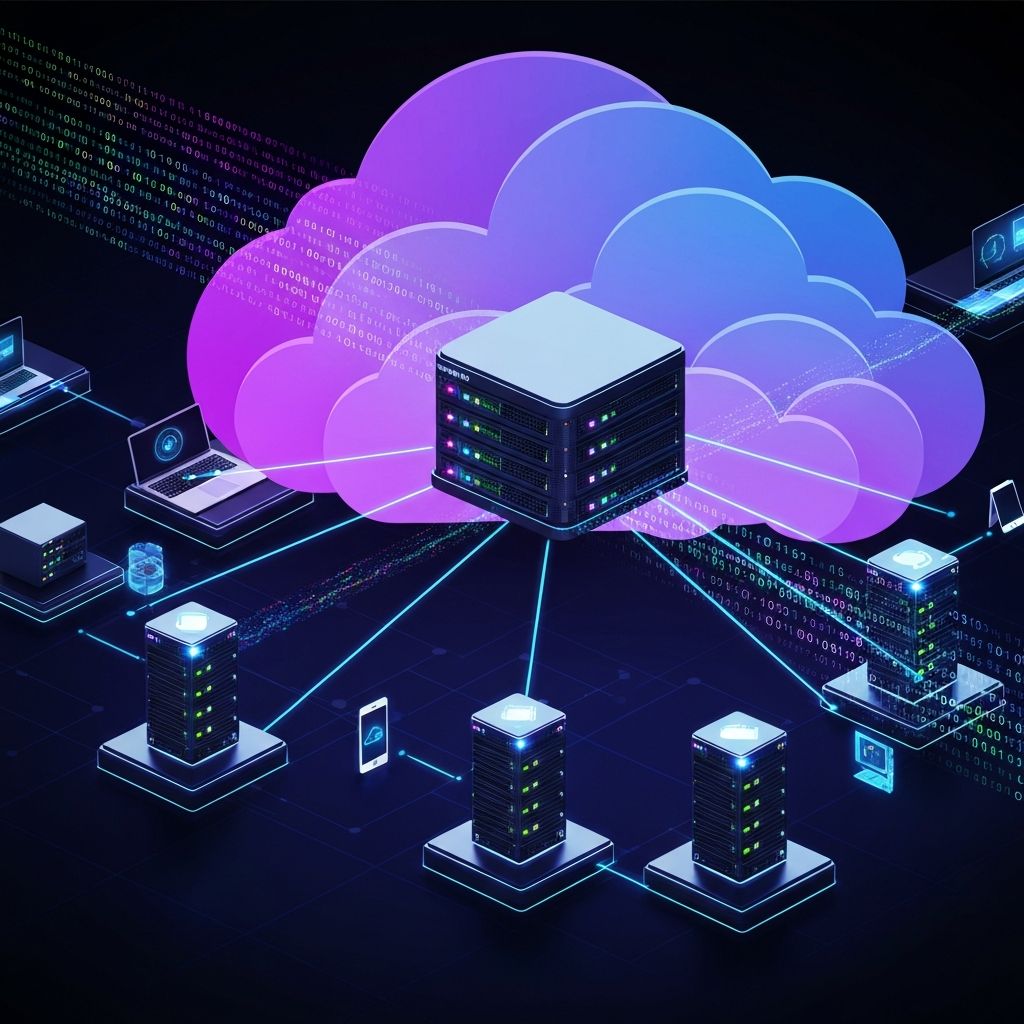
Key benefits include:
- Improved Data Accuracy: Centralized data management reduces errors and inconsistencies
- Streamlined Workflows: Automated processes eliminate manual tasks and bottlenecks
- Enhanced Communication: Integrated systems enable real-time collaboration
- Cost Savings: Reduced operational overhead and improved resource allocation
- Scalability: Custom solutions grow with your business needs
Moreover, integration allows for real-time data access, enabling informed decision-making. Insights from industry analyses indicate that businesses that invest in custom integration see a significant return on investment, as they can respond more swiftly to market changes and customer needs.
Need Help With Your Digital Presence?
Whether you need a new website, custom application, or complete digital transformation, our team delivers results that drive growth.
Exploring Emerging Trends: AI, Cloud Computing, and Low-Code Solutions
As technology evolves, several emerging trends are shaping the landscape of custom software development. Artificial intelligence (AI) and machine learning (ML) are increasingly being integrated into software solutions, providing businesses with advanced analytics and automation capabilities.

Artificial Intelligence & Machine Learning
AI-powered solutions can analyze vast amounts of data to identify patterns, predict outcomes, and automate decision-making processes. From chatbots to predictive analytics, AI is transforming how businesses interact with customers and optimize operations.
Cloud Computing
Cloud computing continues to gain traction, offering scalability and flexibility for businesses of all sizes. By leveraging cloud infrastructure, companies can reduce IT costs, improve accessibility, and ensure business continuity through robust disaster recovery solutions.
Low-Code and No-Code Platforms
Low-code and no-code platforms are democratizing software development, enabling non-technical users to create applications with minimal coding knowledge. These platforms accelerate development timelines and empower business users to address their specific needs without relying entirely on IT departments.
Embracing these trends can position organizations for success in an increasingly digital world, and our team at JCerme Software Solutions stays at the forefront of these technologies to deliver cutting-edge solutions.
Agile vs. Waterfall: Choosing the Right Development Methodology
When it comes to software development, choosing the right methodology is crucial. Agile and Waterfall are two popular approaches, each with its advantages and disadvantages.
| Factor | Agile | Waterfall |
|---|---|---|
| Approach | Iterative and incremental | Linear and sequential |
| Flexibility | High - adapts to changes | Low - changes are costly |
| Client Involvement | Continuous collaboration | Limited to milestones |
| Delivery | Frequent releases | Single final delivery |
| Best For | Dynamic projects | Well-defined projects |
| Risk Management | Early issue detection | Issues found late |
Agile promotes iterative development, allowing for flexibility and continuous feedback, making it ideal for projects with evolving requirements. Waterfall, on the other hand, follows a linear approach, which can be beneficial for projects with well-defined requirements.
Understanding the nuances of each methodology can help businesses select the best approach for their specific project needs. At JCerme, we typically recommend Agile for most custom development projects due to its flexibility and client-centric approach.
DevOps and Continuous Integration: Accelerating Software Delivery
DevOps practices are revolutionizing software development by fostering collaboration between development and operations teams. Continuous integration (CI) and continuous delivery (CD) are key components of DevOps, enabling faster and more reliable software releases.
Benefits of DevOps and CI/CD:
- Faster Time to Market: Automated pipelines reduce manual intervention and speed up releases
- Improved Quality: Automated testing catches bugs early in the development cycle
- Better Collaboration: Breaking down silos between development and operations teams
- Increased Reliability: Consistent deployment processes reduce human error
- Rapid Feedback: Quick iterations based on user feedback and metrics
By implementing CI/CD pipelines, businesses can automate testing and deployment processes, reducing the time to market for new features. Our development team implements robust DevOps practices to ensure reliable, scalable software delivery.
Boost Your Online Visibility
A great software solution needs great visibility. Our Local SEO and digital marketing services help your business get found by the right customers.
Cybersecurity Best Practices in Custom Software Development
As cyber threats become more sophisticated, incorporating cybersecurity best practices into custom software development is essential. This includes implementing secure coding standards, conducting regular security audits, and ensuring compliance with industry regulations.
Essential security practices:
- Secure Coding Standards: Following OWASP guidelines and security-first development
- Regular Security Audits: Penetration testing and vulnerability assessments
- Data Encryption: Protecting sensitive data in transit and at rest
- Access Controls: Role-based permissions and multi-factor authentication
- Compliance: Adhering to GDPR, HIPAA, PCI-DSS as applicable
- Incident Response: Having plans in place for security breaches
By prioritizing security from the outset, organizations can protect sensitive data and maintain customer trust. Studies show that organizations implementing robust security measures experience fewer data breaches and maintain stronger reputations.
The Value of User Experience (UX) Design in Custom Applications
User experience (UX) design is a critical component of custom software development. A well-designed user interface can significantly enhance user satisfaction and engagement. By focusing on usability, accessibility, and aesthetics, businesses can create applications that resonate with their target audience.
Key UX principles:
- User-Centered Design: Building solutions around actual user needs and behaviors
- Intuitive Navigation: Clear, logical pathways through the application
- Accessibility: Ensuring usability for people with disabilities (WCAG compliance)
- Responsive Design: Seamless experience across all devices and screen sizes
- Performance: Fast load times and smooth interactions
Research indicates that investing in UX design can lead to higher conversion rates and reduced support costs. Our design and development team prioritizes user experience in every project we undertake.
Conclusion: Embracing Custom Software for Competitive Advantage
Custom software development services are invaluable for businesses seeking to transform their operations and achieve sustainable growth. By understanding the software development lifecycle, embracing emerging trends, and prioritizing security and user experience, organizations can leverage technology to gain a competitive edge.
As the digital landscape continues to evolve, the importance of tailored solutions will only increase, making it essential for businesses to invest in custom software development.
Ready to Transform Your Business?
Let's discuss how custom software solutions can address your unique business challenges and drive innovation.
Related Resources
- Web Development Services — Custom websites and applications
- Local SEO Services — Get found by your target customers
- Google Business Profile Management — Optimize your online presence
- Our Portfolio — See our recent projects
- Contact Us — Start your custom software project